You don't have to face what happened alone.
Counselling for those coping with serious illness, recovering after intensive care, or living with a life-changing diagnosis.

"A space to make sense of what happened — unhurried, and human."
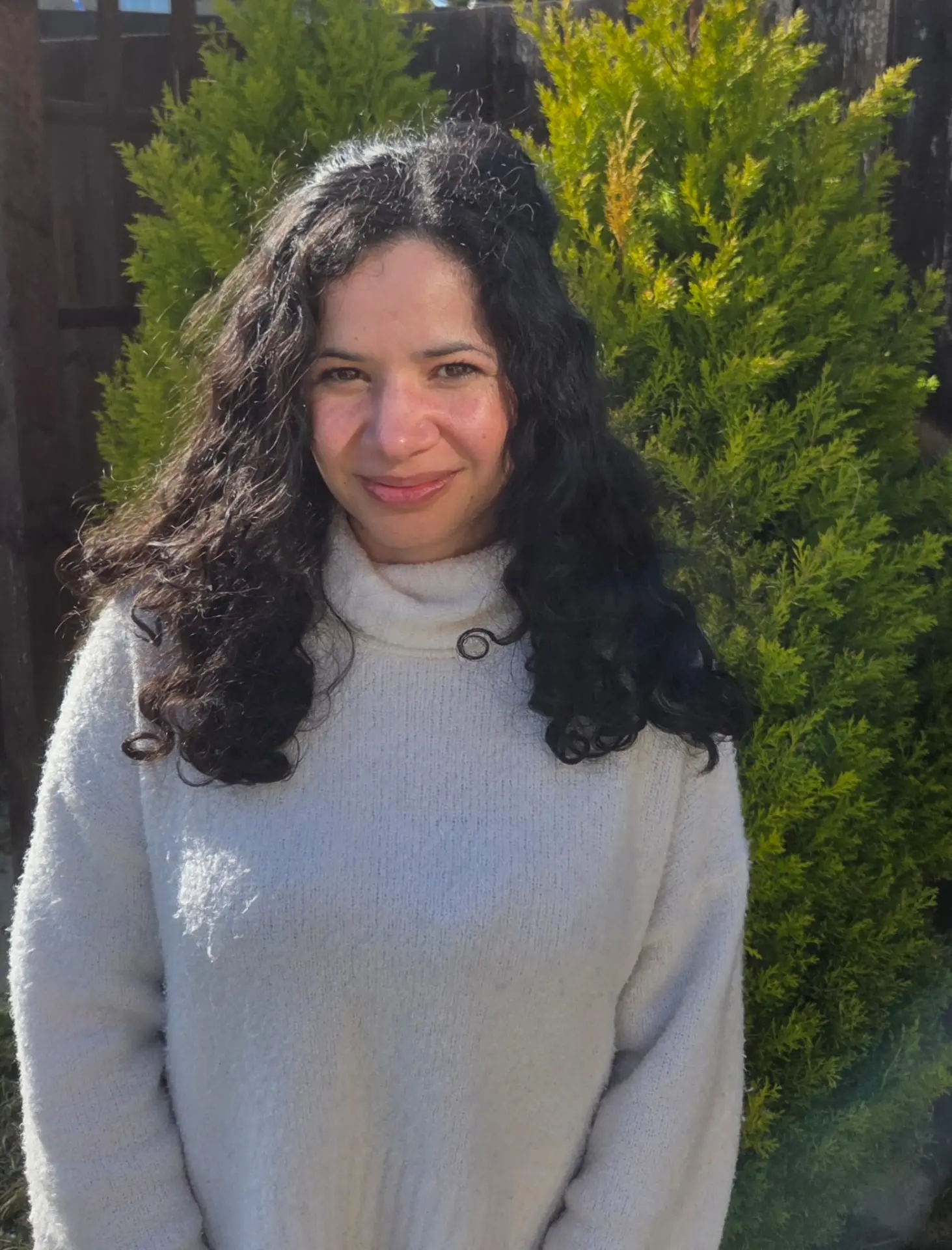
Danielle Deojee
MBACP · Registered nurse
Person-centred counsellor, online
First step
Free 20 minutes
Sessions
50 minutes, online
Ways to work
8 weeks or open-ended
Experience
10+ years in healthcare
Who it's for — 01
You may be here because…
- 01You're anxious since leaving hospital, and can't quite explain why.
- 02You keep replaying your time in intensive care.
- 03You don't recognise yourself since becoming seriously ill.
- 04You're living with a diagnosis, such as cancer, Parkinson's, COPD, or chronic pain, that has changed how your body works, how you move through daily life, or how you think about your future.
- 05You're caring for someone whose illness has changed everything, and there's no space left to process your own feelings.
- 06You're grieving the life you expected to have.
- 07It's been years, but something about it has never quite settled.

These experiences are disorientating. They can leave you feeling fearful, numb, or strangely disconnected from people who haven't lived through anything similar. None of that means something is wrong with you. It means something significant happened to you.
You don't have to face it on your own.
My approach — 02
Counselling shaped around you.
Illness affects far more than the body. Many people leave hospital carrying fear, uncertainty, trauma, or questions they find hard to put into words — especially to those who've never worked in healthcare.
As a registered nurse with years of experience in intensive care and specialist palliative care, alongside my passion as a person-centred counsellor, I understand both the medical and emotional sides of serious illness.
That means you won't need to spend sessions explaining procedures, unfamiliar terminology, or what hospital care actually involves. We can start from where you are. Together, we'll explore your emotional experience while also making sense of what happened, in a way that feels understandable, unhurried, and human.
I
Person-centred
There's no expectation to "move on" or "stay positive" here. This is a space to understand your experience at your own pace, without judgement.
II
Clinically informed
A nurse's understanding of intensive care and palliative medicine, so you never have to explain procedures or terminology.
III
Body-aware
My counselling is grounded in warmth, curiosity, and genuine human connection. I draw on gentle somatic approaches where they feel helpful, because overwhelming experiences are often held in the body as well as the mind.
Who I work with

After hospital
Adults recovering emotionally after intensive care or a prolonged hospital stay.

Living with a diagnosis
People living with a serious or chronic diagnosis, such as cancer, Parkinson's, COPD, or chronic pain, or another diagnosis not listed here.

Family & loved ones
Family members and loved ones affected by another person's illness.

Healthcare professionals
Healthcare professionals processing difficult experiences around illness or death.
Ways to work together
Eight-week focused counselling
A structured programme for anyone wanting support after a specific event, diagnosis, or hospital admission. Well suited if you feel overwhelmed but want a clear, contained space to work through it.
Open-ended therapy
For those who'd prefer a longer-term space, with room to explore at whatever pace feels right, without a fixed endpoint.

BACP
ethical framework
About — 03
Danielle Deojee
MBACP · Registered nurse
Person-centred counsellor, online
A nurse's understanding, a counsellor's care.
"You won't need to spend sessions explaining procedures or what hospital care actually involves. We can start from where you are."
I'm a registered nurse and qualified counsellor with over a decade's experience supporting people through some of life's hardest moments.
My nursing career has included extensive work in intensive care and specialist palliative care within a hospice, giving me a deep, first-hand understanding of serious illness, trauma, grief, and uncertainty, and the impact these experiences have on individuals and families.
Alongside that clinical background, I offer counselling that is compassionate, collaborative, and shaped entirely around your experience, not a script.
Nurse
Registered
Trauma
Informed practice
50min
Session length
What to expect — 04
A gentle first step.
01
Get in touch
Send a short message whenever feels easiest. There's no pressure to commit to anything yet.
02
A free 20-minute consultation
A low-pressure conversation to see whether Threshold Counselling feels right for you, with no obligation to continue.
03
Your first 50-minute session
We meet online to explore what's brought you here and how we might work together.
FAQ — 05
Common questions.
Have something else on your mind? Please ask — there's no such thing as a silly question.
Do I need to have been in intensive care?+
No. I work with anyone affected by serious illness, a prolonged hospital admission, or a serious, chronic, or life-changing diagnosis, whether or not intensive care was involved.
Can family members attend counselling?+
Yes. Serious illness affects the whole family, and relatives often need support too.
Does it matter how long ago this happened?+
No. Some people come to me shortly after leaving hospital or receiving a diagnosis, others years later, once they finally have the space to process it. There's no timeline you need to meet.
Are sessions online?+
Yes.
How long are sessions?+
50 minutes.
Get in touch — 06
You don't have to
carry this alone.
If any of this feels familiar, a free 20-minute consultation is a low-pressure way to see whether Threshold Counselling feels right for you, with no obligation to continue.
EmailSend an email